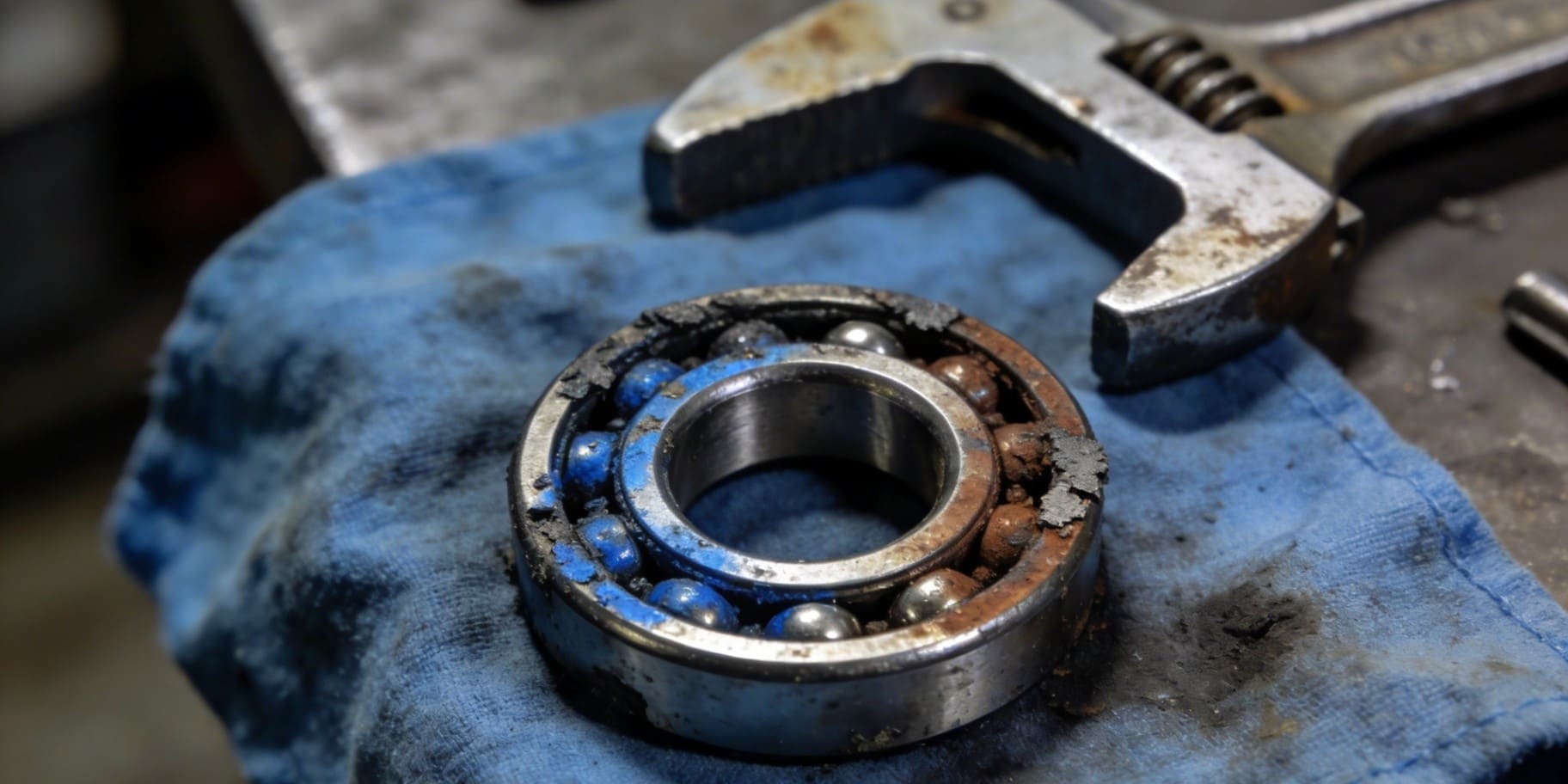
Water pumps are the unsung heroes in everything from cars to industrial systems, but man, when their bearings go south, it's a headache. I've fixed my share of these over the years, and bearing failure is hands-down the most common culprit. It's not just about the pump stopping; it can lead to leaks, overheating, or total system breakdowns. Let's break down the main reasons why bearings fail in water pump setups, so you can spot trouble early and keep things running smooth. I'll keep it real and straightforward, drawing from what I've seen in the field.
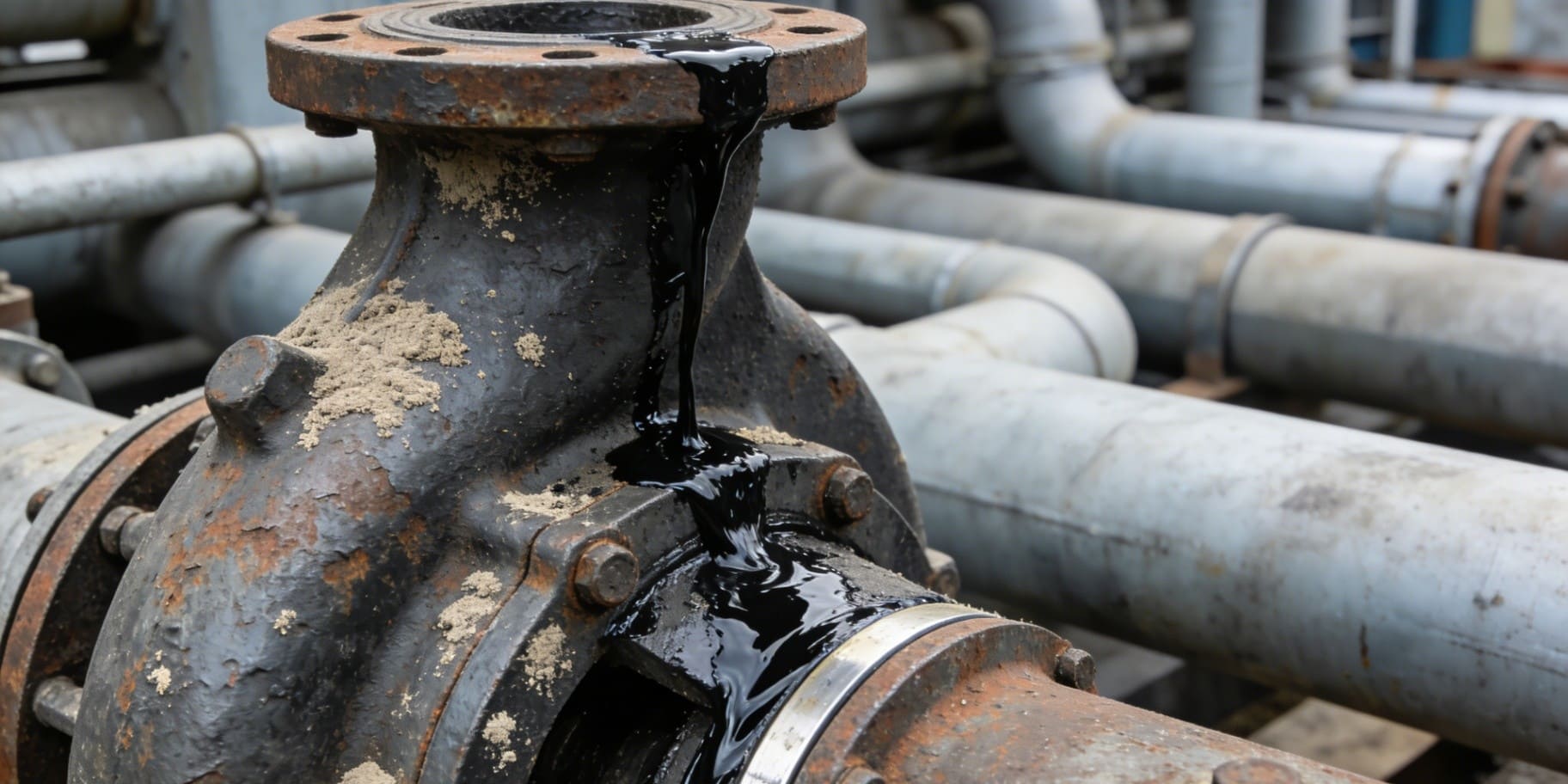
Top of the list: lubrication issues. Bearings need that slick stuff to glide, not grind. Lack of lubrication, maybe from forgetting maintenance or using cheap grease, causes metal-on-metal contact, heating up and pitting the surfaces. On the flip side, over-lubricating drowns the bearings, trapping heat and contaminants. In water pumps, where things get hot and wet, I've noticed that sticking to the manufacturer's lube schedule and type prevents about 70% of failures right there.
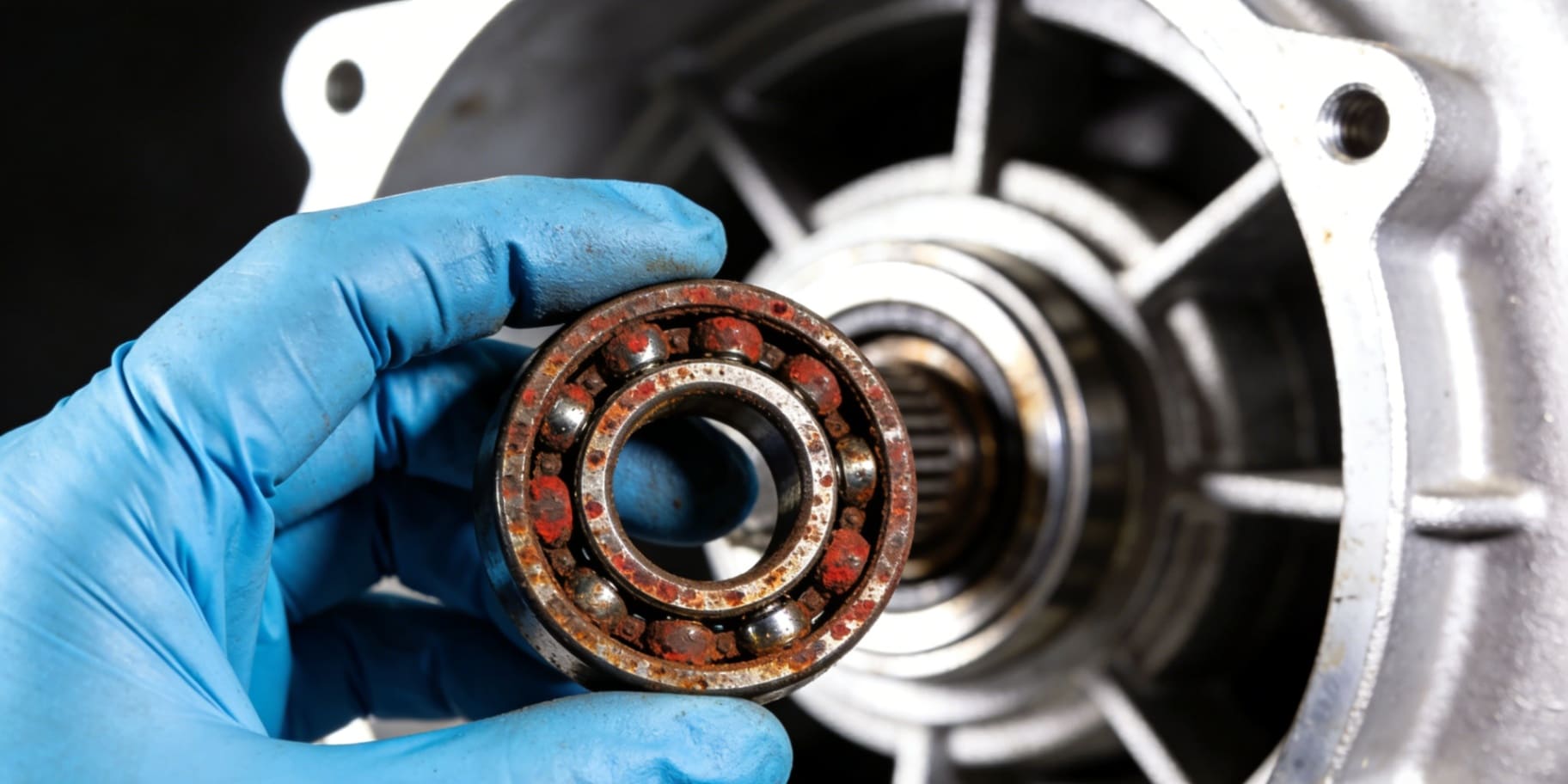
Contamination is a killer too. Dirt, sand, or ironically water sneaks in and wrecks havoc. Water pumps deal with fluids constantly, so if seals fail, coolant or process water infiltrates the bearings. This washes away grease, leading to corrosion and rust. Pulled apart pumps where the races looked like they'd been etched by acid; that's hydrogen embrittlement from moisture reacting with the metal. Even tiny particles from the pumped media can abrade the balls or rollers, causing fluting or spalling. Pro tip: Use robust seals and check for leaks regularly, especially that weep hole on automotive pumps.
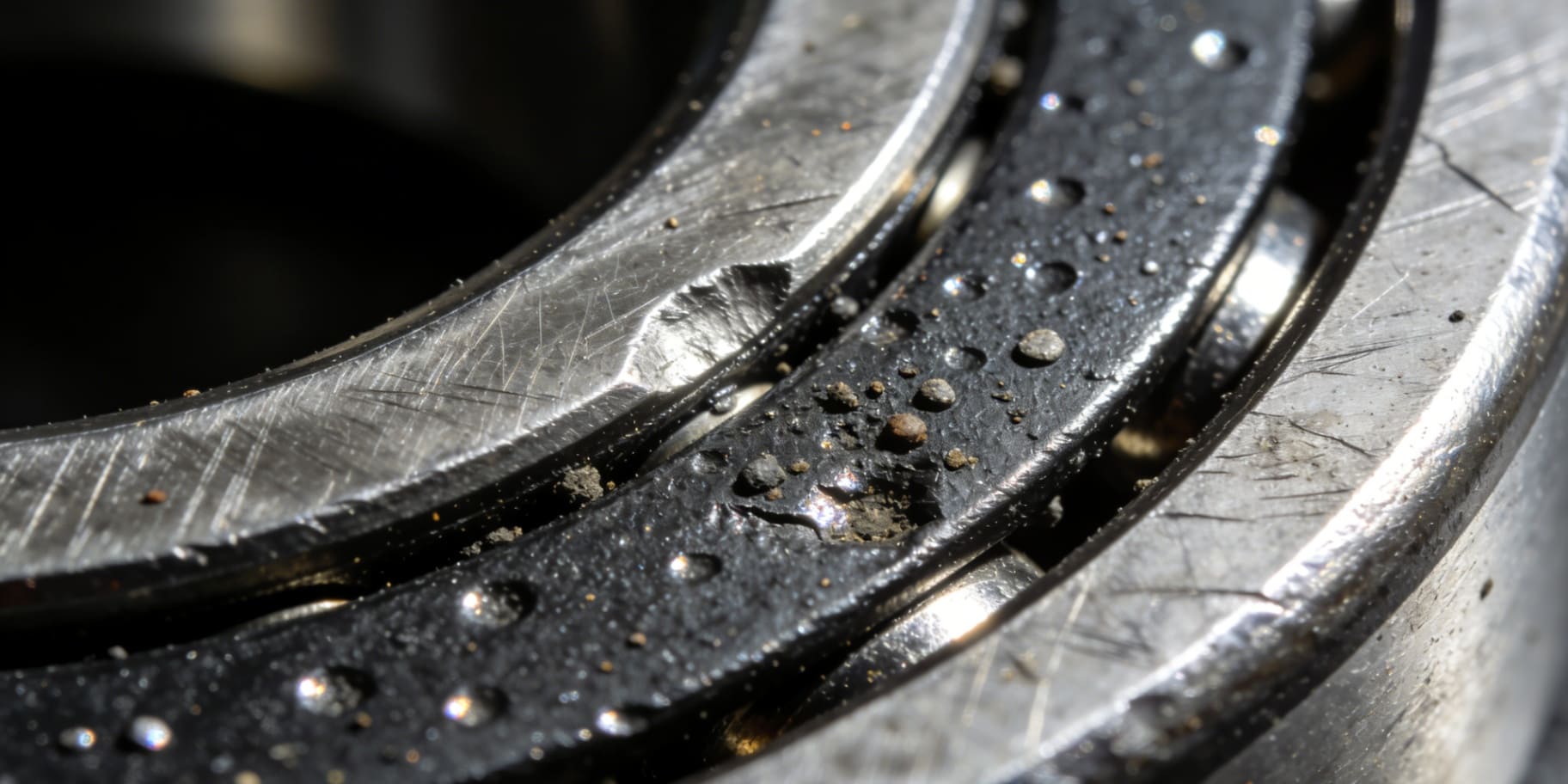
Misalignment and improper fitting come next. If the shaft isn't aligned right during installation, or if there's too much play in the assembly, bearings take uneven loads. This fatigues the material over time, leading to cracks and failure. In high-vibe environments like engines, this gets amplified. I've learned the hard way that using the wrong tools for fitting, like hammering instead of pressing, bruises the bearings from the start.
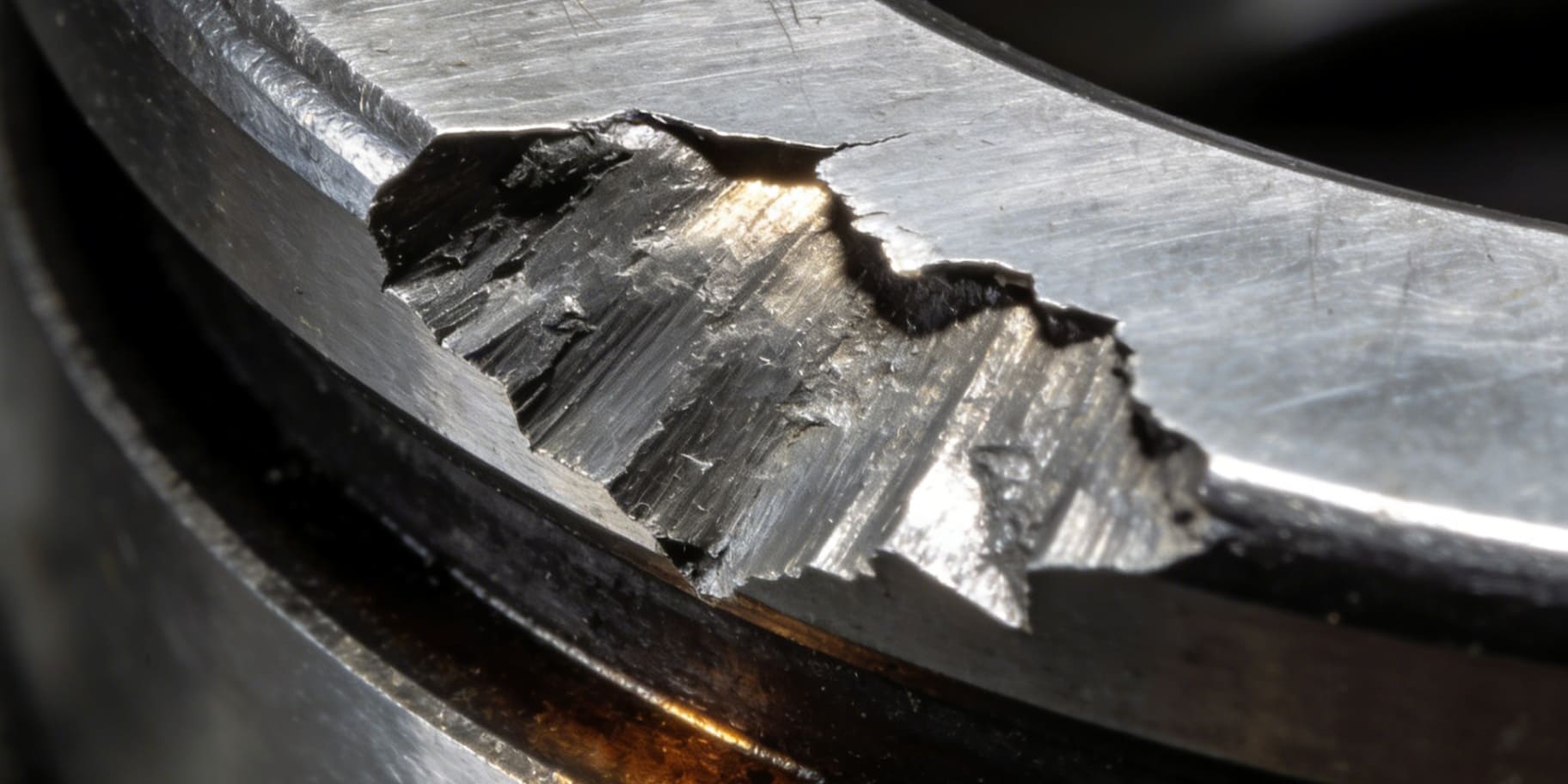
Overloading and excessive vibration are sneaky ones. Pumps handling high pressures or speeds push bearings beyond their limits, causing fatigue. Cavitation, those vapor bubbles imploding, sends shock waves that pit bearings. Corrosion from aggressive chemicals or poor water quality eats away at surfaces too, weakening everything.
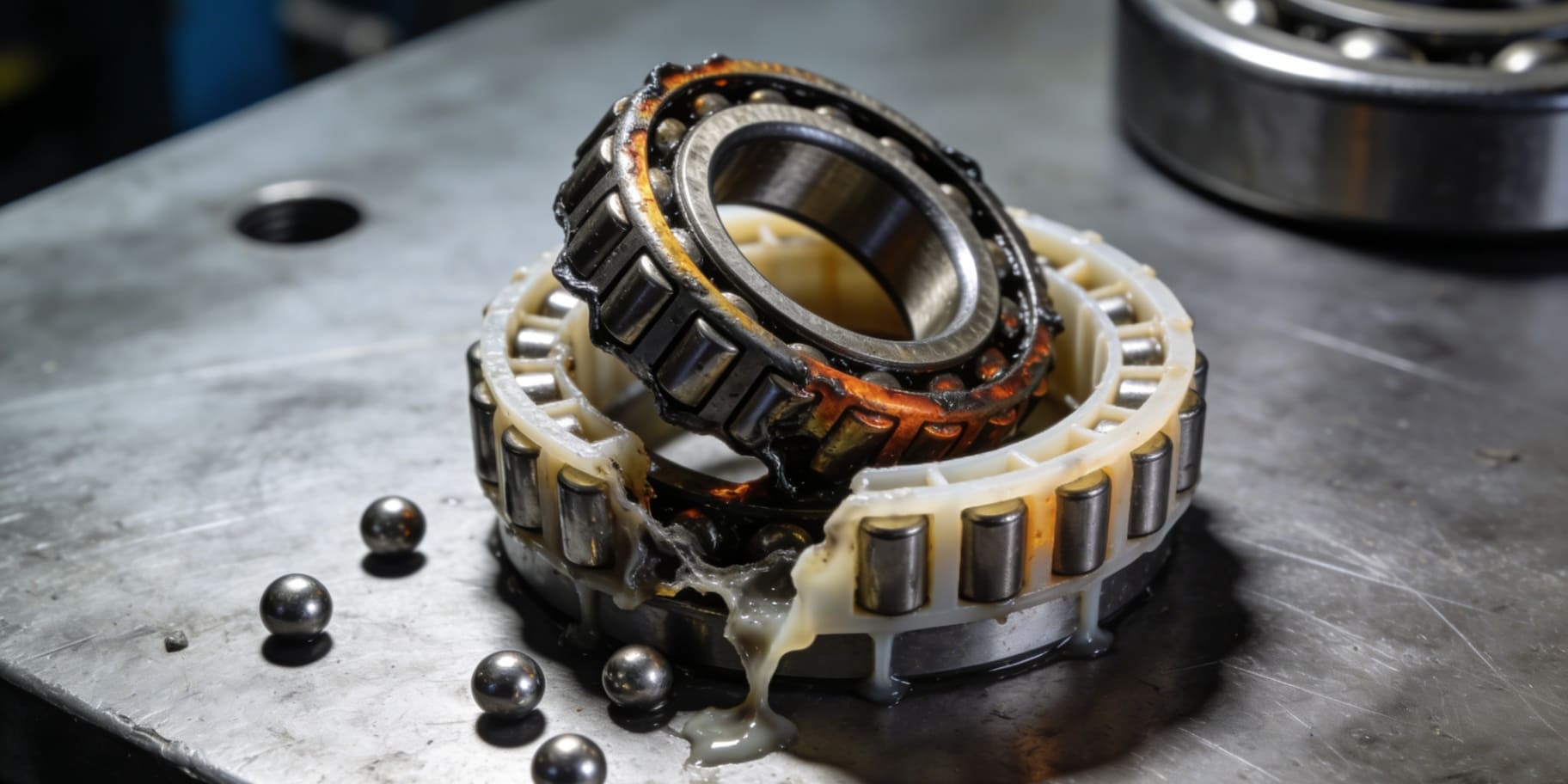
Finally, thermal issues: Overheating from friction or poor cooling expands parts unevenly, stressing bearings. And don't overlook foreign bodies, bits of impeller or debris jamming things up.
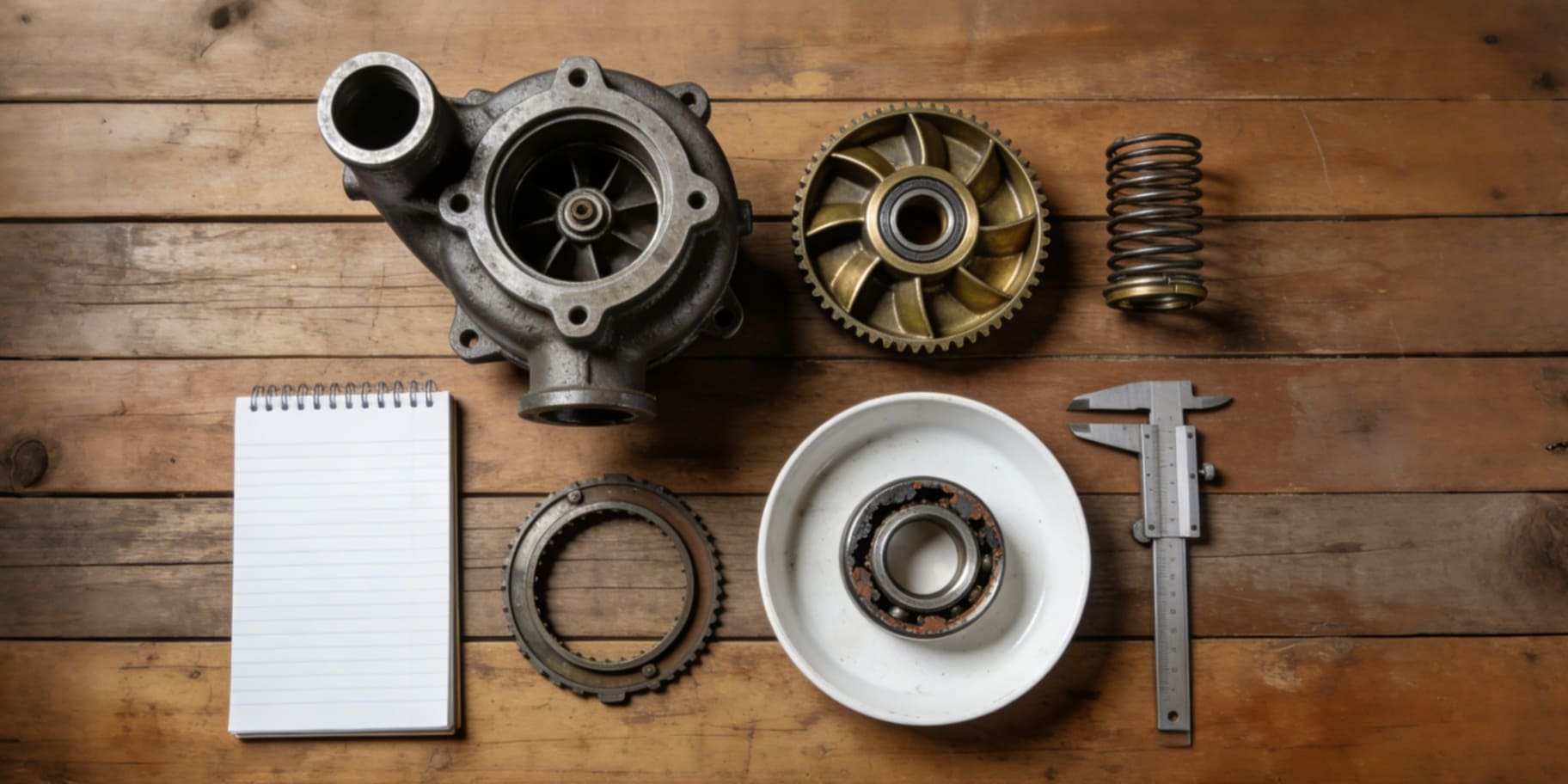
To avoid these pitfalls, inspect regularly, use quality parts, and train your team on proper handling. In my experience, catching early signs like unusual noise or vibration saves big bucks. Bearings might seem small, but they're the heart of your pump's reliability. Stay vigilant, and your water pump will thank you with years of trouble-free service.