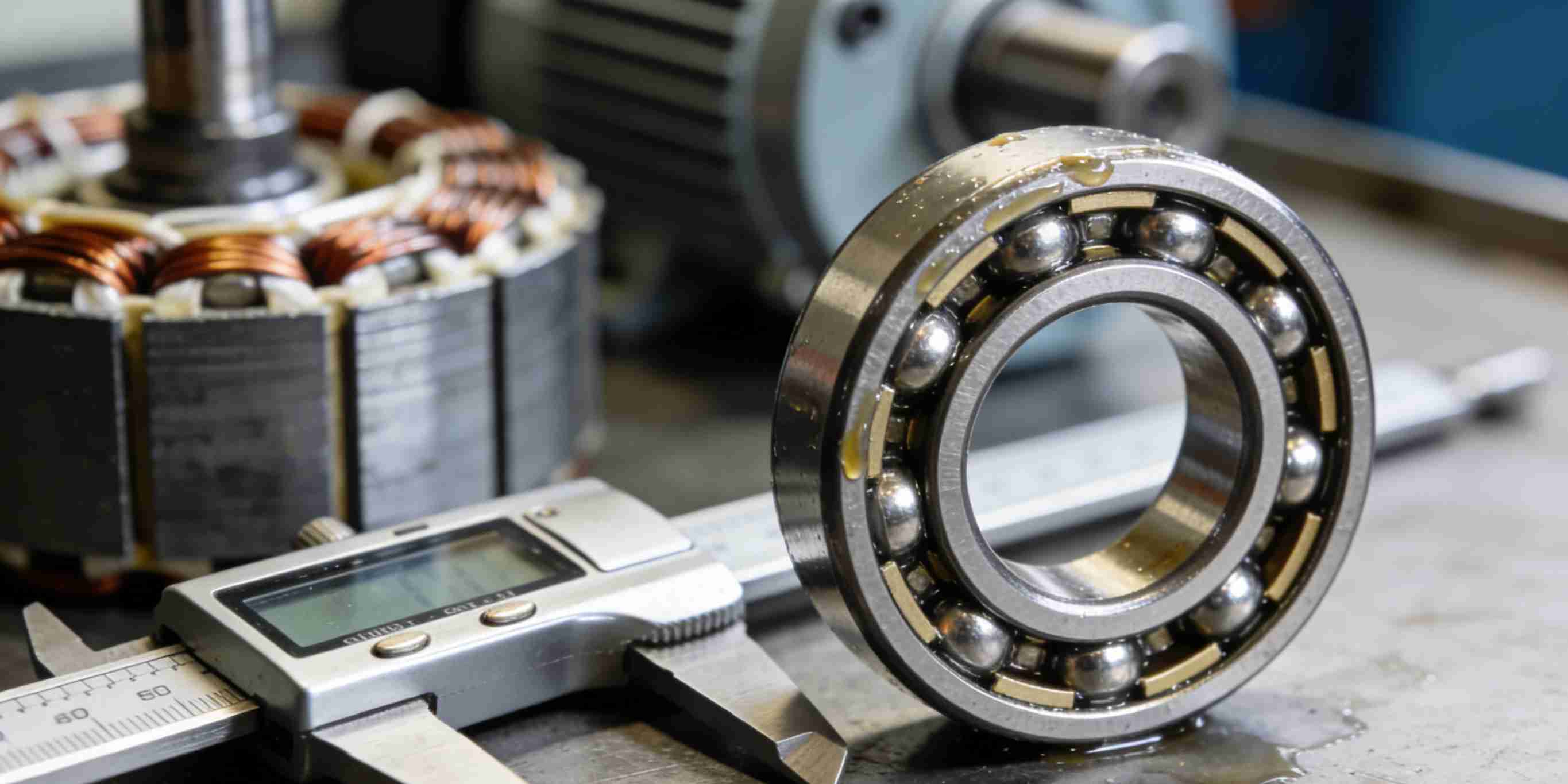
Hey there, folks in the world of electric motors, if you've ever dealt with that annoying hum or whine coming from your assembly line, you know how it can throw a wrench in things. Bearing noise isn't just a nuisance; it can signal bigger issues down the road, like premature wear or inefficiency. Let me tell you, reducing that racket isn't rocket science, but it does take some smart tweaks. Let's dive into practical ways to quiet things down, based on what actually works in real-world setups.
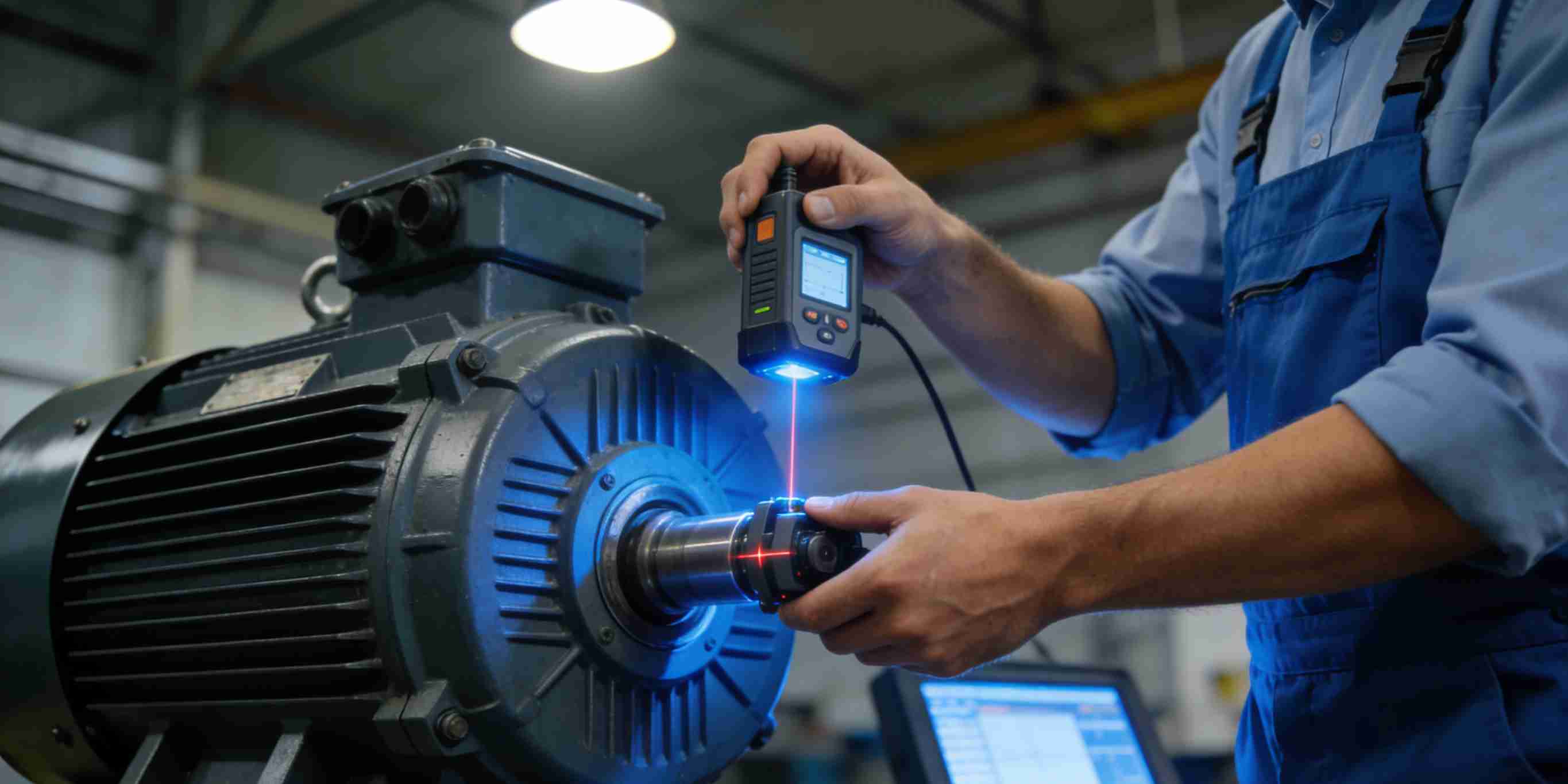
First off, start with the basics: proper installation and alignment. A misaligned shaft or housing can cause bearings to vibrate like crazy, amplifying noise. Make sure your motor's base is solid and everything lines up perfectly with the driven equipment. I've seen guys skip this step and regret it when the whole system starts buzzing. Use precision tools to check tolerances, things like dimensional and geometric fits for the shaft, housing, and covers. SKF recommends keeping misalignment to a minimum to drop those decibels.
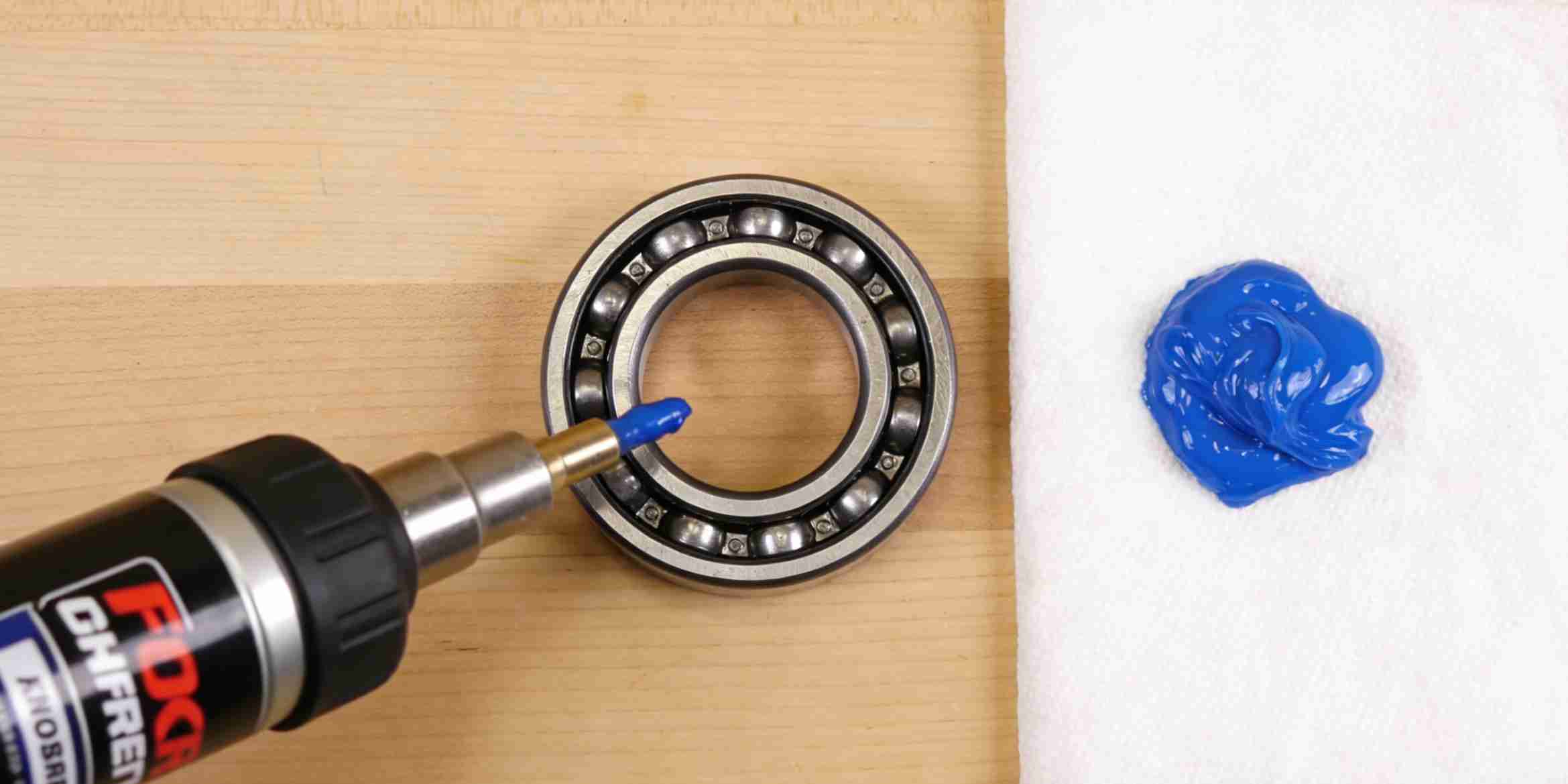
Next, lubrication is your best friend. Dry or poorly lubed bearings grind and groan. Go for high-quality grease or oil suited to your motor's speed and load. Over time, I've learned that regular maintenance checks, not just slapping on more lube willy-nilly, prevent friction buildup. If you're dealing with ball bearings, consider upgrading to high-precision or even ceramic ones; they cut down on that mechanical chatter from wear and tear.
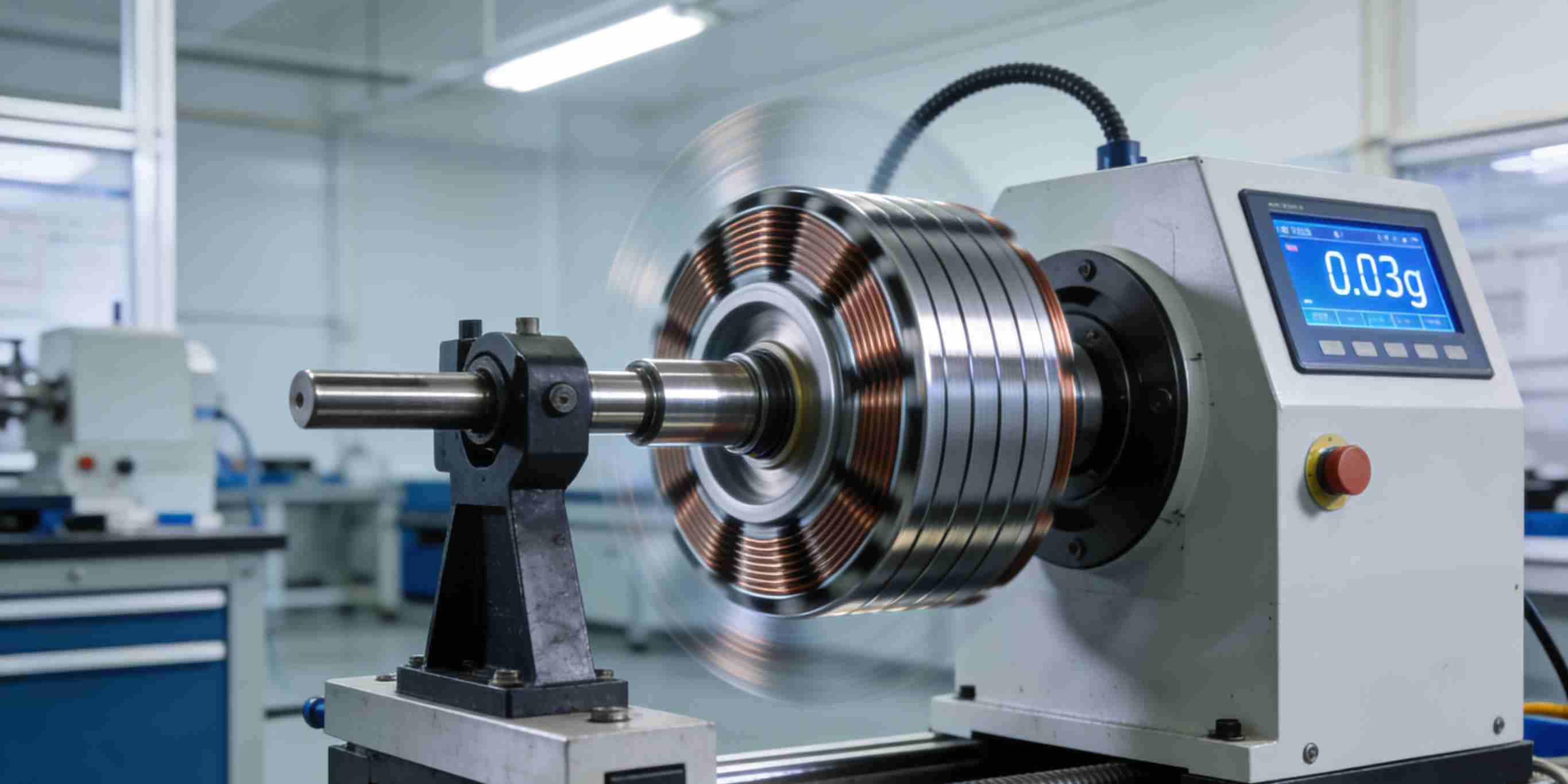
Balance is another biggie. An unbalanced rotor sends vibrations straight to the bearings, turning them into mini speakers. Thorough rotor balancing during assembly can slash noise significantly. And don't forget about damping materials, wrapping the motor in foam, rubber, or insulation can absorb those vibes before they escape. Adding a simple disc of damping material between the drive and housing made a world of difference.
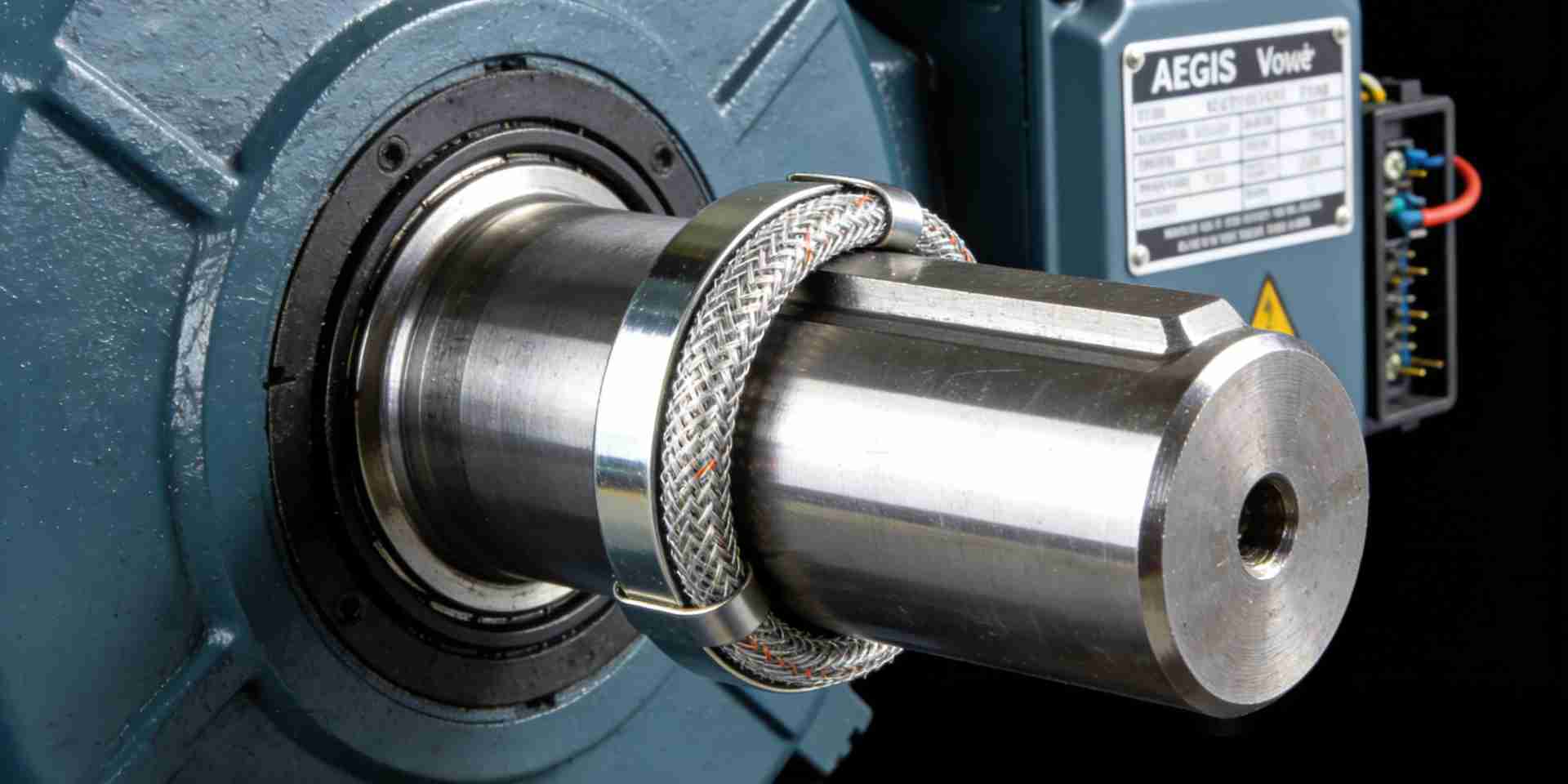
On the electrical side, variable speed drives (VSDs) can induce bearing currents that lead to arcing and noise. Installing shaft grounding rings, like those AEGIS ones, diverts that stray voltage away from the bearings. It's a game-changer for modern assemblies. Also, keep motor leads short and add capacitors across terminals to filter out electrical hum.
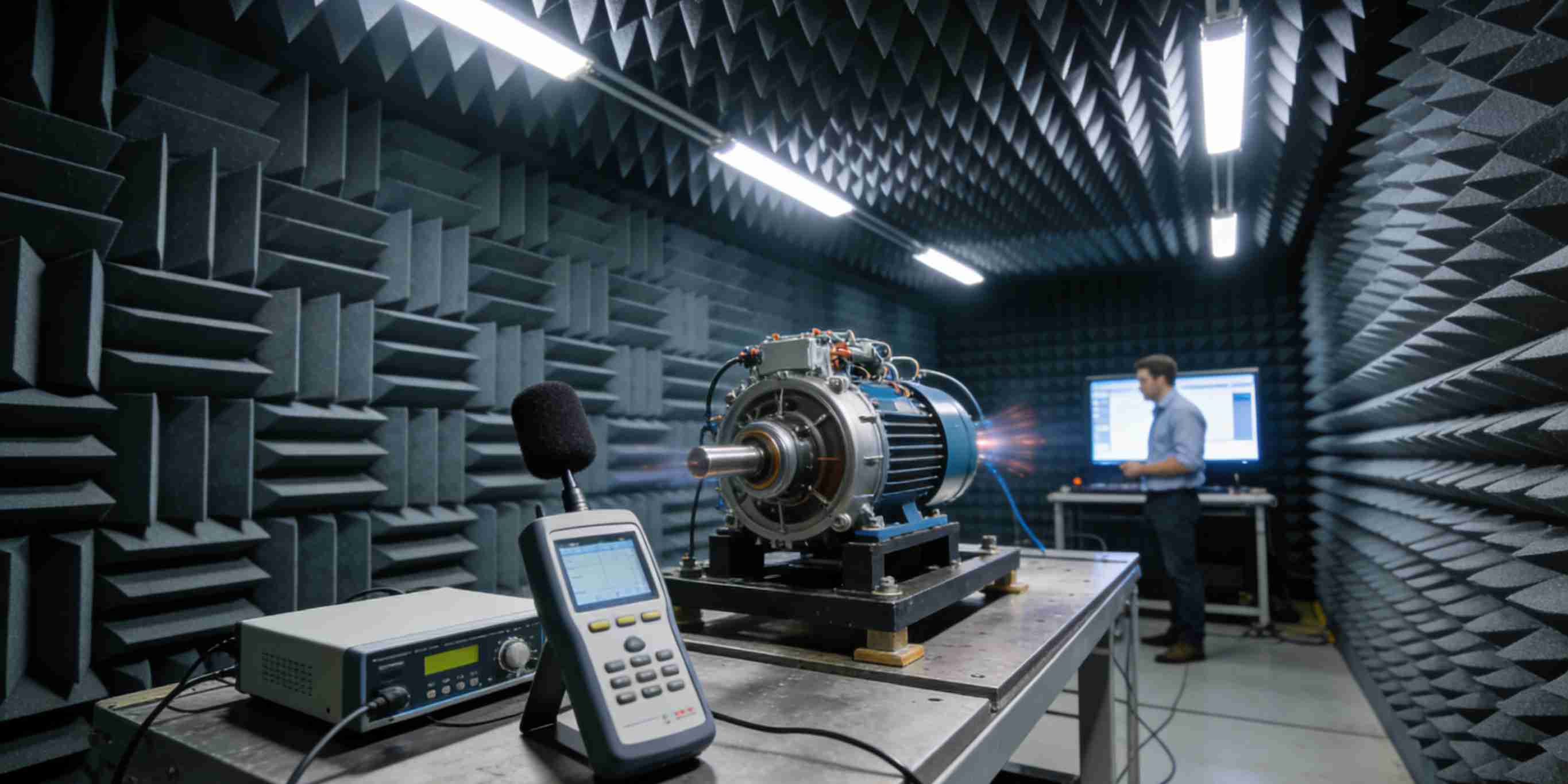
Windage noise from cooling fans? Opt for smoother blade designs or enclosures that reduce airflow turbulence. And always test in a quiet environment to isolate issues early.
Wrapping up, reducing bearing noise boils down to attention to detail: align, lube, balance, and protect against electrical gremlins. It might take a bit of trial and error, but the payoff is a smoother, quieter motor that lasts longer. If you're assembling these bad boys, give these tips a shot, your ears (and your clients) will thank you. Got a noisy motor story? Share with us!